
How to Pass an AI Job Interview: 5 Tips for the New First Round
By: Jon Cohen
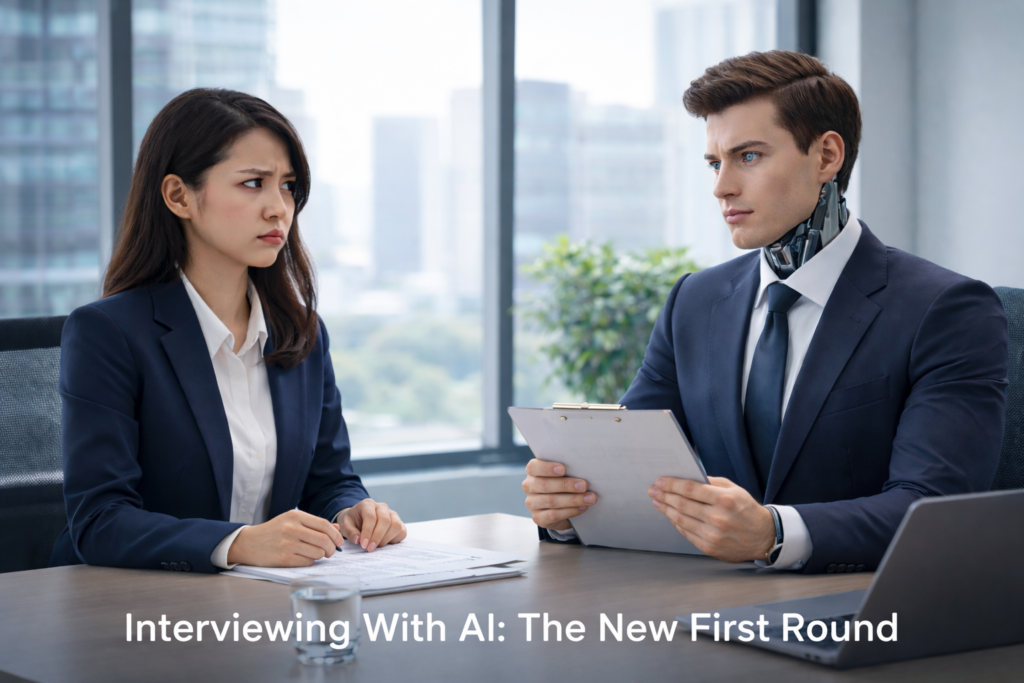
If you’re applying for jobs today, there’s a growing chance your first interview won’t be with a person.
Instead, you may be speaking to software.
Many companies now use AI hiring platforms to screen candidates before a human recruiter gets involved. These systems allow employers to review large numbers of applicants quickly, making them an increasingly common part of artificial intelligence hiring processes.
For job seekers, the experience can feel unusual. Instead of speaking with a hiring manager, you might log into a video interview AI platform where questions appear on screen and you record your answers on camera.
Sometimes the questions are basic, such as explaining your experience or describing your approach to customer service. Other times they can be more technical or scenario-based, asking how you would solve a specific business challenge.
Once your answer is recorded and submitted, the platform analyzes your response. The system evaluates factors such as clarity, pacing, and communication style before presenting the results to the hiring company. Eventually, a human recruiter or manager reviews the interview.
Because this process feels different from a traditional conversation, many candidates aren’t sure how to prepare for an AI interview. Fortunately, the same fundamentals of interviewing still apply—with a few adjustments.
Here are five practical AI interview tips to help you perform confidently.
Practice Speaking on Camera
One of the biggest challenges of AI interviews is the lack of feedback. When speaking to a human interviewer, you can read body language and adjust your response. With a video interview AI, you’re simply talking into a camera.
That’s why practicing beforehand is essential.
Record yourself answering common interview questions using your laptop or phone. Topics like leadership, teamwork, conflict resolution, and problem solving are frequently used by AI hiring platforms.
When reviewing your recordings, focus on three things:
- Your body language and posture
- The pacing and clarity of your speech
- Whether you rely on filler words such as “um” or “like”
A useful technique is to review your practice recordings in stages. First watch the video on mute to observe your presence and gestures. Then listen to the audio without video to evaluate pacing and clarity. Finally watch the full recording to assess your overall communication style.
The goal isn’t perfection. It’s becoming comfortable speaking naturally on camera.
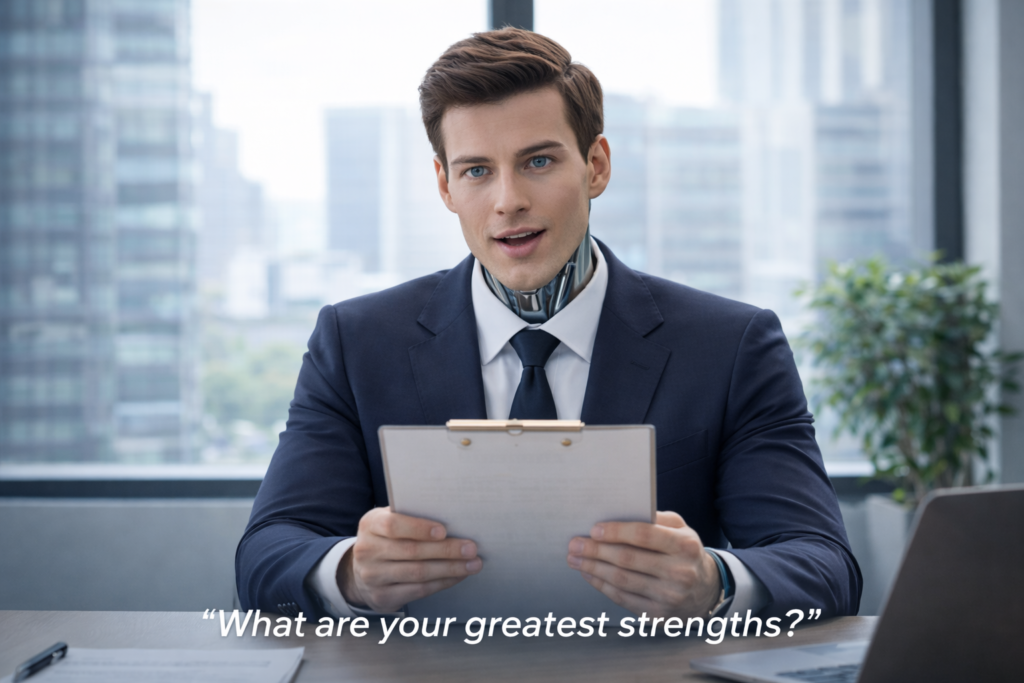
Don’t Try to “Game” the Algorithm
Some candidates believe the key to success in a video interview AI is loading their answers with industry keywords.
In reality, this approach usually backfires.
Modern AI hiring platforms evaluate communication patterns, clarity of thought, and structured answers—not just specific words. Overloading your responses with jargon can make you sound robotic.
Instead, focus on clear storytelling. A simple structure works well:
- Describe the situation you faced
- Explain the actions you took
- Highlight the results you achieved
This approach keeps your answer organized and demonstrates real experience. It also helps you avoid sounding scripted, which is one of the biggest mistakes candidates make when learning how to prepare for an AI interview.
Remember: even though technology is conducting the initial screening, a human reviewer will likely watch your responses later.
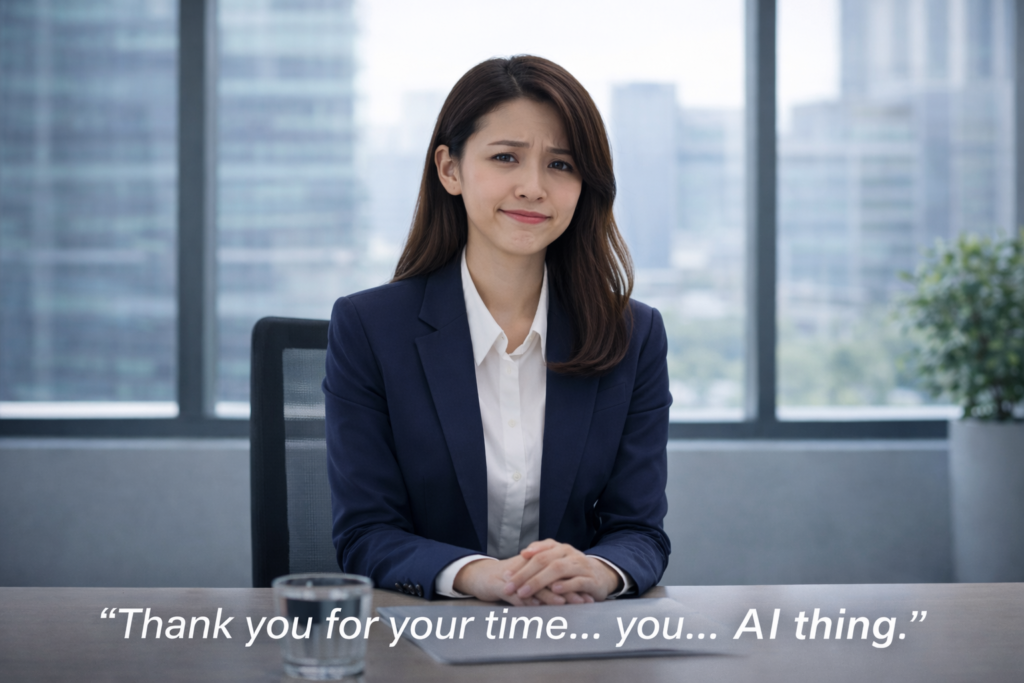
Look at the Camera, Not Yourself
Eye contact still matters—even when your interviewer is software.
When answering questions, try to look directly into the camera rather than at your own image on the screen. Doing so creates the impression that you’re making eye contact with the viewer.
It may feel unnatural at first. However, it significantly improves how engaged and confident you appear when someone reviews your interview later.
Some AI hiring platforms can also detect when candidates repeatedly look away from the camera. Frequent glances downward or to the side may give the impression that you’re reading from notes.
Treat the camera the same way you would treat a real interviewer sitting across the table.
Dress Like It’s a Real Interview
Even though the first step involves technology, professionalism still matters.
Most video interview AI systems do not evaluate clothing directly. However, dressing professionally can influence your mindset and overall performance.
Wearing business or business-casual attire often helps candidates feel more prepared and confident. It also ensures that when a recruiter reviews the recording later, you appear polished and serious about the role.
Think of the process this way: the interview might start with artificial intelligence, but a human decision-maker will almost certainly see your video.

Get the Technology Right
Strong answers won’t help if the technology fails.
Before beginning the interview, check the basics:
- Test your internet connection
- Close unnecessary browser tabs and applications
- Turn off notifications on your phone and computer
- Choose a quiet, distraction-free environment
Audio quality is particularly important in artificial intelligence hiring systems. If the platform struggles to transcribe your response because of muffled sound or background noise, your answer may not be evaluated correctly.
Using headphones or an external microphone can significantly improve clarity.
Also consider your surroundings. While the system itself may not analyze your background, a human reviewer will still see the recording. A simple, clean environment helps keep the focus on you and your answers and questions.
The Bottom Line on AI Job Interviews
AI interviews are quickly becoming a standard step in modern hiring.
While the experience may feel unusual at first, learning how to prepare for an AI interview is becoming an important job-search skill. With practice and preparation, candidates can approach these interviews with the same confidence they bring to traditional conversations.
The key is to remember that technology hasn’t changed the fundamentals.
Communicate clearly. Share real examples of your work. Show confidence and personality.
Because even when the first round is handled by artificial intelligence, the final decision will always involve people.
Preparing for AI interviews is now part of the modern job search. At CareerStudio, we help professionals refine their resumes, LinkedIn profiles, and interview strategies for today’s hiring landscape.